April 11, 2026

Cameras in courtrooms now an option in all Illinois counties
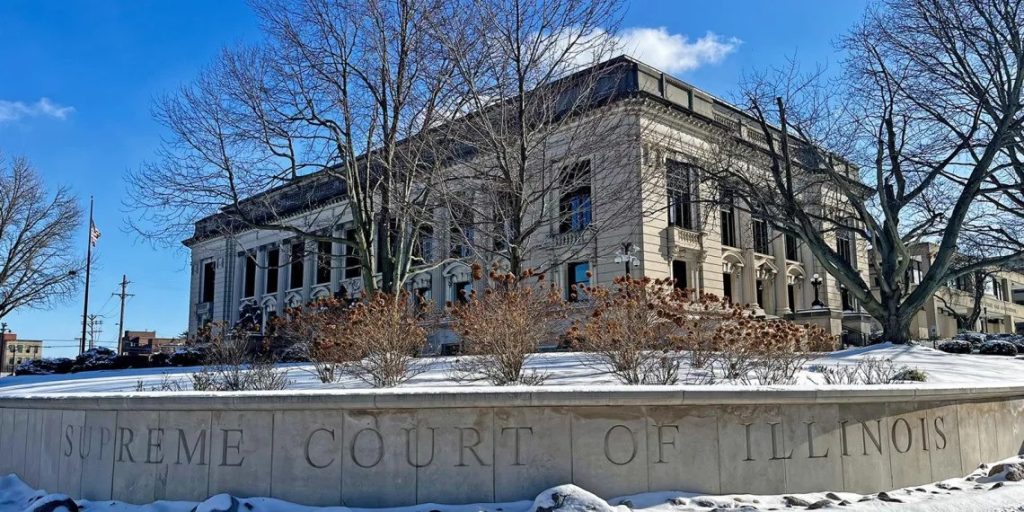
The Illinois Supreme Court approved revisions to its Extended Media Coverage policy.

By Jason Piscia, INBA President

News reporters in every Illinois county can now request permission to bring cameras and other recording equipment into their local courtrooms, thanks to a revised “Extended Media Coverage” policy that took effect Jan. 1.

The Illinois Supreme Court first launched its Cameras in the Courts initiative as a pilot program in 2012. Over the past decade, 62 of the state’s 102 counties opted in, allowing journalists to ask to record, photograph or livestream court proceedings — subject to approval from the presiding judge.
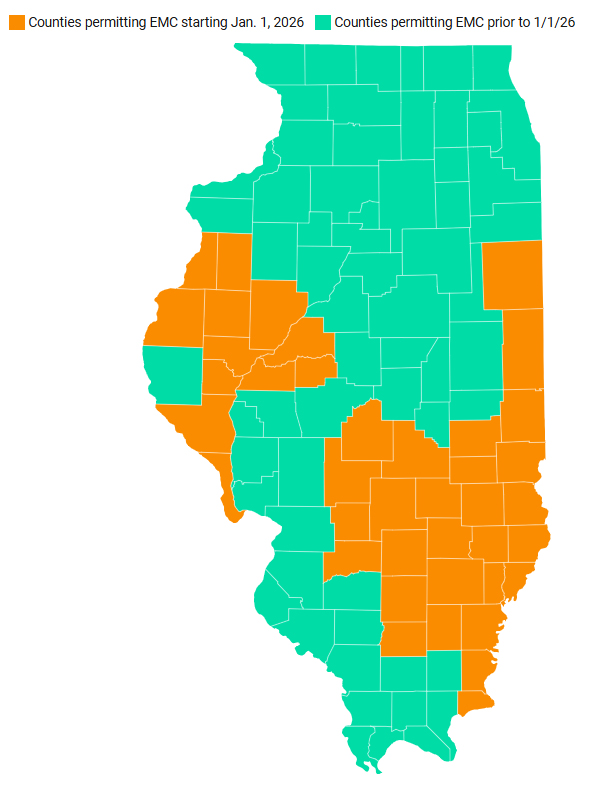
The newly updated policy expands that access to the remaining 40 counties (colored in orange on the map) beginning this month.

The revisions were developed by the Illinois Judicial Conference’s Public Education and Engagement Task Force, which gathered input from judges, trial court administrators, circuit clerks, attorneys, journalists, and other court personnel.

Ryan Denham, content director at WGLT (NPR) in Normal and a member of the task force, said the changes are designed to modernize the program and strengthen public confidence in the judicial system.

“This new policy contains several changes that will tangibly improve working conditions for media in courts across the state, while also helping to bolster public trust in the courts by making them more transparent,” said Denham, who also chairs the Cameras and Microphones in the Courts Committee for the Illinois News Broadcasters Association. “The changes reflect just how much technology and media practices have evolved since 2012.”

Other updates to the policy include:

  • Shorter notice window: Journalists may now submit EMC requests at least seven days before a proceeding, down from the previous 14-day requirement. Judges may grant exceptions for hearings scheduled on short notice, such as initial criminal appearances.
  • Required explanations for denials: If a judge denies a request for extended media coverage, they must now provide a reason.
  • Clearer definition of “news media”: The policy now clarifies which organizations and professionals qualify to file EMC requests, including newspapers, periodicals, news services, radio and television outlets, community antenna television services, and individuals or companies that professionally produce news content for the public.

To streamline the process statewide, the task force also created standardized, fillable EMC request forms, now available on the Illinois Courts website.

Michelle Eccles McLaughlin
Public Relations Account Manager, Horace Mann Insurance

INBA is an organization that really caters to continuing education for professionals. It offers a relatively inexpensive way to learn new things, reinforce best practices and network.

Bob Roberts
Retired, WBBM-AM, Chicago

INBA is as much about friendship and as it is about achieving common goals. It provides two things individual newsrooms cannot: in-service training, and the ability to speak out on issues affecting the profession. But most of all, it brings newspeople together.

Nora Baldner
Professor, Quincy University

The support INBA gives to student journalists is vitally important as we all discover how technology is changing news dissemination, INBA monitors and actively encourages truth, transparency and accountability from students and their universities.

Ryan Denham
Digital Content Director, WGLT (Normal)

I recently attended my first INBA conference—and it won’t be my last. The combination of professional and student journalists learning together is electric. Everyone learns from each other and walks away with new friends (and LinkedIn connections). I know I did.

Aaron Eades
Former Morning Anchor at WCIA-TV, Champaign

As a student, it's often difficult to picture what working in the real world will be like. For me, the INBA bridged that gap by giving me the chance to talk to professionals who used to be in the same shoes I'm in now.

Jennifer Fuller
Assistant Director of Legislative Affairs, John A. Logan College

INBA is not only a great networking tool, it also provides advocacy and support for journalists in an ever-changing world.

Andrew Tanielian
Freelance Video Journalist

INBA taught me how to network in a meaningful way. The scholarship process taught me how to endure a hard job interview and thrive.

Alexis McAdams
Fox News National Correspondent

INBA played a huge part in preparing me for my broadcasting career. The INBA conventions connect students with on-air talent and news directors who give feedback on now to improve your work. Through relationships I made at those conventions, I was able to obtain my first on air reporting job.

Mike Miletich
Capitol Bureau Reporter, WAND-TV, Decatur

Joining the INBA was one of my best life decisions. I met some of the best broadcast journalists while I was still a college student. Plus, I ended up getting a job through the connections I made!

Jeff Bossert
Morning Edition Host, WVTF, Roanoke, Virginia

When I was working in radio for the first time, I had no idea whether I could truly handle the demands. But INBA made me curious and want to improve. Even now, when I’ve maybe worked a lot of hours or planned some stories that didn’t come together for one reason or another, what I learn from an INBA conference gets me re-invigorated about the business.

Molly Jirasek
News Director, ABC57, South Bend, IN

One of my top goals in my career was to get to Chicago. Thanks to INBA I met Margaret Larkin. She remembered our great conversations about Chicago and first alerted me to a job opening in the city I might be interested in. Lo and behold, I got that job! INBA helped me reach my dream.